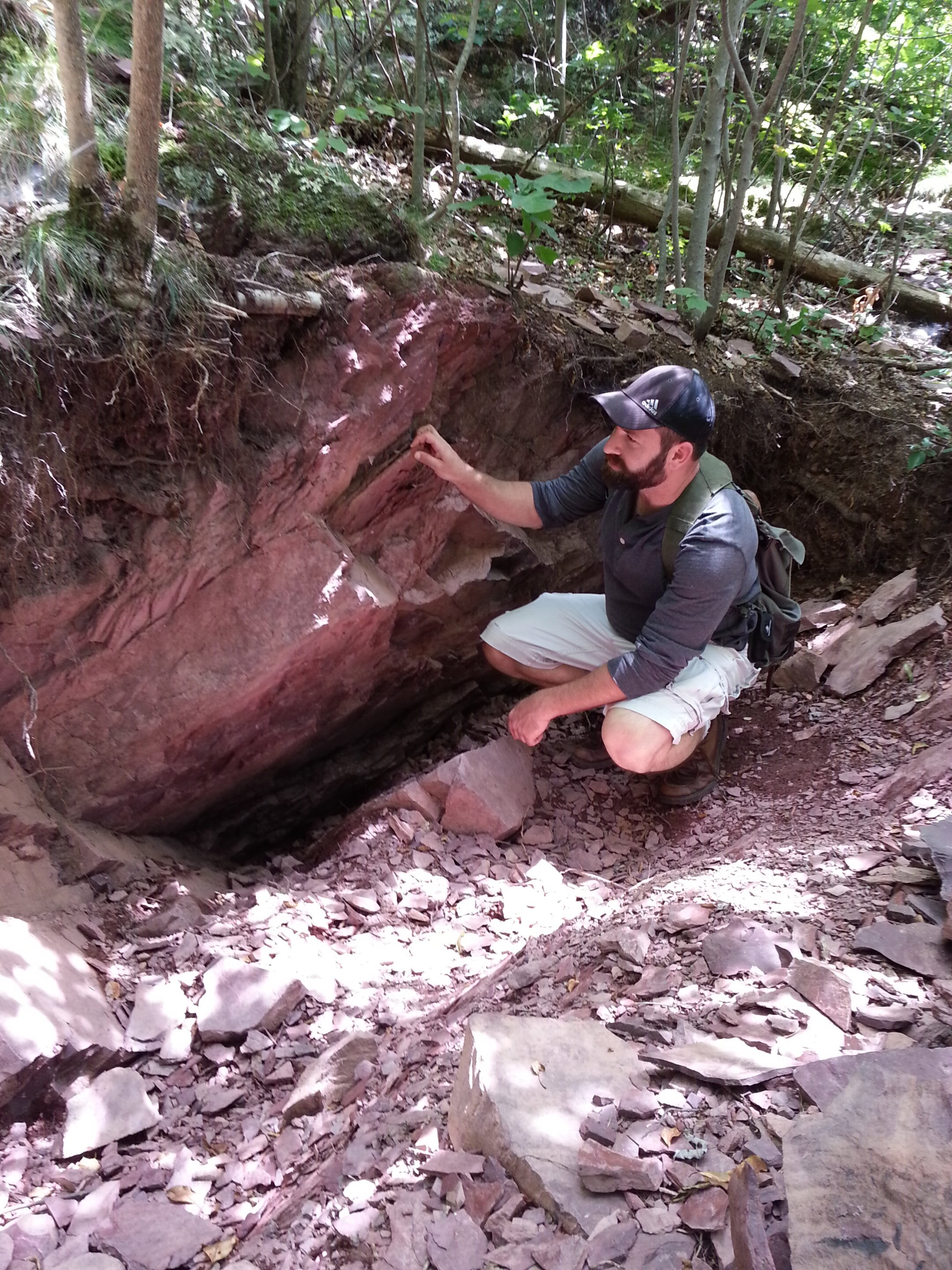
(Photo Credit: Curtis Salata-Hartman)
Massachusetts is known for its beautiful landscapes, and turning your property into a preserve ensures that it remains a sanctuary for wildlife and ecosystems, both now and in the future. Whether you wish to protect your land during your lifetime or secure its conservation after your death, this guide will walk you through the legal and practical steps involved. From setting up legal agreements to enjoying tax benefits, turning your property into a conservation area ensures its ecological value will be safeguarded for generations.
Table of Contents
Understanding the Difference Between Nature Reserves and Nature Preserves
The terms “nature reserve” and “nature preserve” are often used interchangeably, but they have nuanced differences. A nature preserve typically refers to land that has formal legal protection (e.g., through conservation easements) to ensure its permanent conservation. A nature reserve, on the other hand, refers more broadly to land managed for conservation purposes, which may or may not have such legal protections.

In Massachusetts, turning your property into a nature preserve through legal tools like conservation easements offers lasting protection against development, while managing your land as a nature reserve helps maintain ecological balance, even without formal legal agreements.
Why Convert Your Property into a Nature Preserve in Massachusetts?
Many landowners in Massachusetts opt to preserve their land for various reasons, including:

- Environmental Protection: Safeguard local ecosystems and contribute to the broader ecological health of the state.
- Legacy Building: Ensure that your land remains protected for future generations through formal legal protections.
- Financial Incentives: You could qualify for federal tax deductions and local property tax reductions through programs like Chapter 61B.
- Community Engagement: Involve your community by turning your property into a learning center or research site for environmental studies.
Legal Framework for Nature Preserves in Massachusetts
In Massachusetts, converting private property into a protected area typically involves the use of conservation easements. A conservation easement is a legal agreement between a landowner and a land trust or government agency that permanently limits land use to protect its conservation values. These easements ensure that the land will remain conserved even if it changes ownership.
Collaborating with state agencies like the Massachusetts Division of Fisheries and Wildlife or working with land trusts can help you establish a nature preserve and protect your land indefinitely.
Conservation Easements: A Key Tool for Creating a Nature Preserve
A conservation easement provides long-term legal protection for your property, ensuring that it remains a nature preserve. These agreements limit certain activities like development or deforestation while allowing the landowner to retain ownership and use the land for certain permitted activities (e.g., farming or recreation).
In Massachusetts, conservation easements are often used to turn private land into nature preserves that safeguard local biodiversity and ecosystems.
How to Establish a Conservation Easement While Alive
To establish a conservation easement and turn your property into a nature preserve while you’re alive, follow these steps:
- Determine Conservation Goals: Identify the aspects of your land (e.g., habitats for endangered species or wetlands) you wish to protect.
- Consult a Land Trust or Government Agency: Work with a trusted organization such as The Trustees of Reservations or the Massachusetts Audubon Society to help draft and enforce the easement.
- Hire Legal and Financial Advisors: Get professional advice to navigate the legal framework and understand the tax advantages.
- Conduct an Ecological Survey: Assess your land’s ecological value with the help of experts.
- Finalize the Agreement: The conservation easement is then recorded, ensuring your property is now a legally protected nature preserve.
Choosing the Right Land Trust in Massachusetts
Several trusted land trusts in Massachusetts can assist you in creating a nature preserve:
- Massachusetts Audubon Society: Protects over 38,000 acres of land throughout the state.
- The Trustees of Reservations: One of the oldest land trusts in the U.S., focusing on protecting special places across Massachusetts.
- Essex County Greenbelt: Focused on conserving open spaces and farmlands in northeastern Massachusetts.
By working with these organizations, you can ensure your property becomes a protected nature preserve with long-term management and conservation.
More: Rare fossil site in Easton, Massachusetts, unveils 320-million-year-old ecosystem
Turning Your Property Into a Nature Preserve After Death: Testamentary Conservation Easements
If you wish to protect your land after your passing, consider establishing a testamentary conservation easement. This legal arrangement allows you to designate your property as a nature preserve in your will, ensuring its protection for future generations.
You can learn more about this through the Massachusetts Land Trust Coalition’s guide on estate planning with conservation restrictions:
Estate Planning with Conservation Restrictions: A Guide for Landowners.
Tax Implications and Financial Benefits of Creating a Nature Preserve
Designating your property as a nature preserve can provide financial advantages through tax incentives:
Federal Tax Incentives for Conservation Easements
Donating a conservation easement allows you to claim a charitable tax deduction based on the appraised value of the property. This can significantly reduce your federal income tax liability, potentially up to 50% of your adjusted gross income. You can learn more about federal tax incentives from the Land Trust Alliance.
Massachusetts Property Tax Benefits
Massachusetts offers specific property tax relief under Chapter 61B, which provides reduced property taxes for land dedicated to conservation. This can make long-term conservation financially viable for many landowners.
Since our launch in February 2022, News Link Live has reached over 1.1 million viewers in Massachusetts and beyond. Interested in a targeted advertising campaign? Contact us at newslinklivealerts@gmail.com or fill out the form on the page below to schedule a call and explore your options today.
Wildlife and Ecological Value Assessment: Key Steps
Before designating your property as a nature preserve, it’s essential to evaluate its ecological significance. This includes:
- Wildlife Surveys: Identifying local species and their habitats.
- Habitat Mapping: Documenting the various ecosystems on your land.
- Conservation Value Assessment: Evaluating how your land contributes to local conservation goals.
You can explore more about this process with the Massachusetts Audubon Society.
Preparing Your Property for Nature Preserve Status
To enhance the ecological value of your property before it becomes a nature preserve, you may want to:
- Remove Invasive Species: Replace invasive plants with native species that support local wildlife.
- Improve Habitat Conditions: Consider adding water features or planting native vegetation that attracts birds, pollinators, and other wildlife.
Ongoing Responsibilities After Designation
Once your land is designated a nature preserve, maintaining its ecological health requires ongoing stewardship. Responsibilities may include:
- Monitoring Wildlife: Keep track of species that inhabit or migrate through your property.
- Habitat Restoration: Continue efforts to restore natural landscapes and remove invasive species.
- Compliance with Easement Terms: Work with your land trust to ensure all activities comply with the conservation easement.
Learn more about managing preserved land through organizations like The Trustees of Reservations.
FAQs About Turning Your Property Into a Nature Preserve in Massachusetts
1. What is a conservation easement?
A conservation easement is a legal agreement that limits land use to protect its natural features while allowing the landowner to retain ownership. Learn more here.
2. What tax benefits can I receive for turning my property into a nature preserve?
You may be eligible for federal tax deductions for donating a conservation easement, as well as state property tax reductions through Chapter 61B.
3. Can I still use my property if it’s a nature preserve?
Yes, depending on the terms of the conservation easement, you may be able to continue using the land for certain activities like farming or recreation.
4. How do I involve a land trust?
Reach out to a land trust in Massachusetts, such as the Massachusetts Audubon Society or The Trustees of Reservations, to help guide the process.
5. Can I sell my property after creating a nature preserve?
Yes, but the conservation easement remains in effect, meaning future buyers must comply with its restrictions.
6. How do I ensure my land is protected after my death?
You can set up a testamentary conservation easement in your will, ensuring the land is protected by legal agreements after your passing.
Conclusion
Creating a nature preserve on your property in Massachusetts is an excellent way to protect local ecosystems and secure your conservation legacy. Whether you choose to establish protections during your lifetime or as part of your estate plan, the process offers numerous ecological and financial benefits. By following the outlined steps and partnering with trusted organizations, you can ensure your land is safeguarded for generations to come.