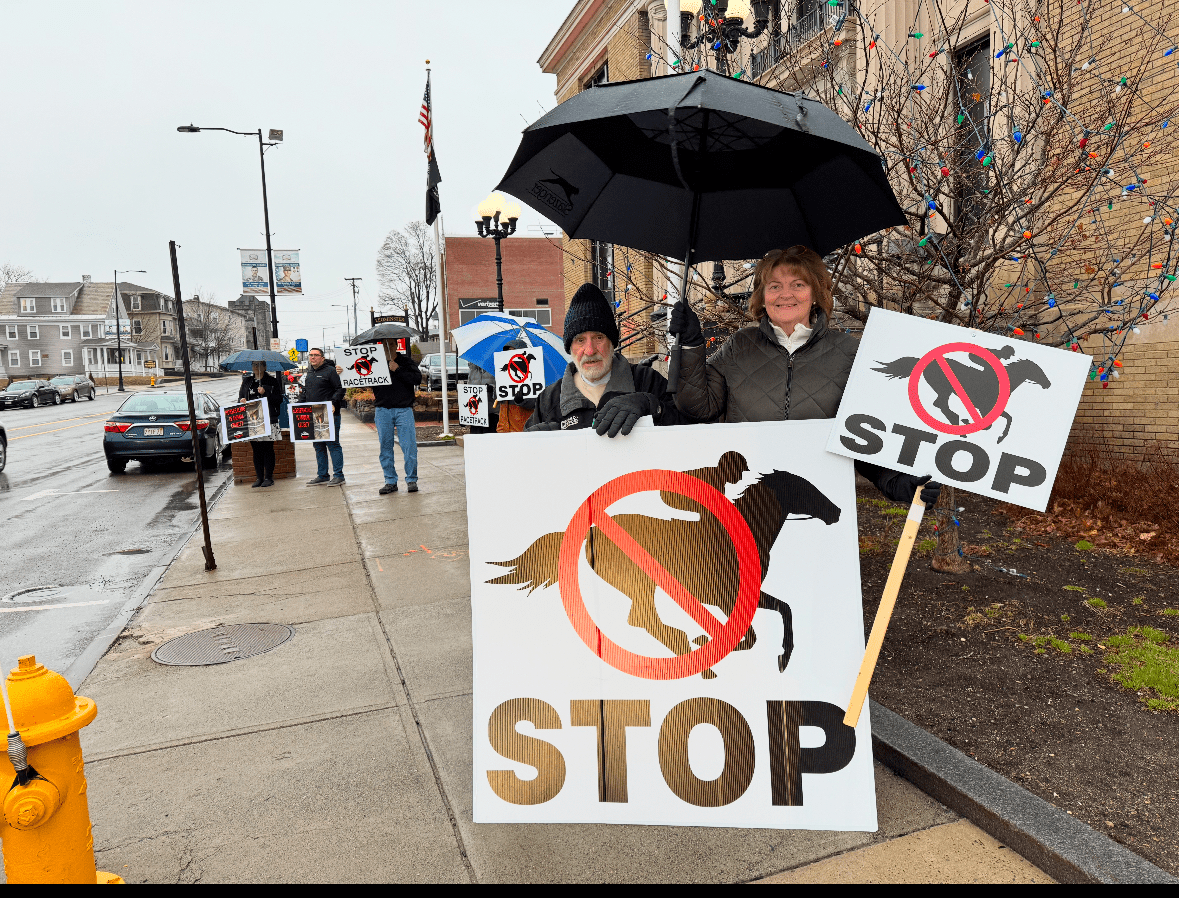
LEOMINSTER — On Monday, the Leominster City Council approved a $2,769,856 appropriation to pay down the outstanding short-term debt associated with the construction of the city’s police station—a move that officials said will mark the final payment on the project.
“This will bring us to a total of $10 million that we have paid cash for the police station,” Ward 3 Councilor David Cormier told fellow councilors. “So we only had to borrow long-term $20 million. This is something we should be proud of, this has saved the taxpayers a lot of money.”
The vote passed unanimously, 8–0, with Cormier later introducing the formal order to transfer the funds from the excess and deficiency account to the police station capital project fund.
The council also approved a $2,400,000 appropriation to the city’s capital stabilization fund, ensuring the money is set aside for upcoming capital projects rather than reverting to free cash at the fiscal year’s end. Cormier explained, “Putting these into the capital stabilization fund is different than the regular stabilization fund…they will not be replenished.”

In response to a question from Councilor-at-Large Claire Freda about whether a supermajority would still be required to withdraw funds, Councilor Cormier confirmed that future appropriations from the capital stabilization fund will require a two-thirds vote of the council.
Other key appropriations passed during the meeting include:
- $100,000 to cover fire department overtime;
- $300,000 for sidewalk repairs on Washington Street, Merriam Avenue, and School Street;
- $52,000 to pave the Francis Drake Elementary School parking lot, supplementing a $3 million state-funded Safe Routes to School project;
- $15,000 and $5,000 respectively to the library to replace a broken HVAC unit and to install a new navigation software called LibMaps;
- $20,000 to the city clerk advertising account to cover increased costs due to the volume of recent salary grid publications;
- $2,000 from the disability commission fines account to rent ADA-compliant portable toilets for city events.
Councilor-at-Large Susan Chalifoux-Zephir asked whether the $2,000 was for rental or purchase of the wheelchair-accessible portable toilets. Cormier confirmed, “These are rentals…for all city events for the next fiscal year.”
Councilors additionally granted further time to several items, including a petition to ban horse and dog racing (41-25) and the controversial proposal to create a Fairgrounds Overlay District (47-25), the latter of which now requires a three-quarters vote—seven of nine councilors—for approval due to a certified protest petition submitted by nearby property owners.
“Once the signatures are certified and the city clerk has determined that the petitioner has met the threshold that is in the zoning ordinance, we are required—on 47-25—that petition, if it passes, it has to pass by a three-quarters vote and that means seven votes out of the nine,” said Councilor Chalifoux-Zephir during the June 23 meeting. Council President Mark Bodanza confirmed the rule, adding, “That’s correct, and that’s confirmed by the city attorney…Instead of the normal supermajority six votes for a zoning ordinance, 47-25 will now require…seven votes to pass.”
Under the city’s zoning ordinance §22-4.14.14, when 20 percent or more of abutters to the affected parcels file a written protest, the voting threshold is automatically raised from two-thirds to three-quarters.
Councilor Claire Freda urged the mayor, the attorney who drafted the host community agreement, and those who worked on the landfill with long-term knowledge of the site and its capping to appear at the next hearing. “We don’t have the people in front of us to ask these questions, and I think that’s really important,” Freda said. “I’ve never voted on this council on anything with this kind of magnitude that we haven’t had our own people—or people that have done the work—to be able to talk to.”
Councilor Chalifoux-Zephir countered that much of the relevant data—such as landfill monitoring reports—is already available through the city’s health department and the state Department of Environmental Protection (DEP). “All of those quarterly reports and the actual reports that are monitoring the levels of benzene and methane are on file with the health department. So, you know, we can go through the mayor’s office if you want, you can get as many copies of the materials. You can go back as far as you want, you can go as recent as you want,” Councilor Chalifoux-Zephir said. Later adding, “I would really encourage everybody: look at the written reports yourself, look at what the DEP has said, and draw your own conclusions.”
Public hearings for both 41-25 and 47-25 will continue on July 14, at 6:10 p.m. and 6:20 p.m., respectively.