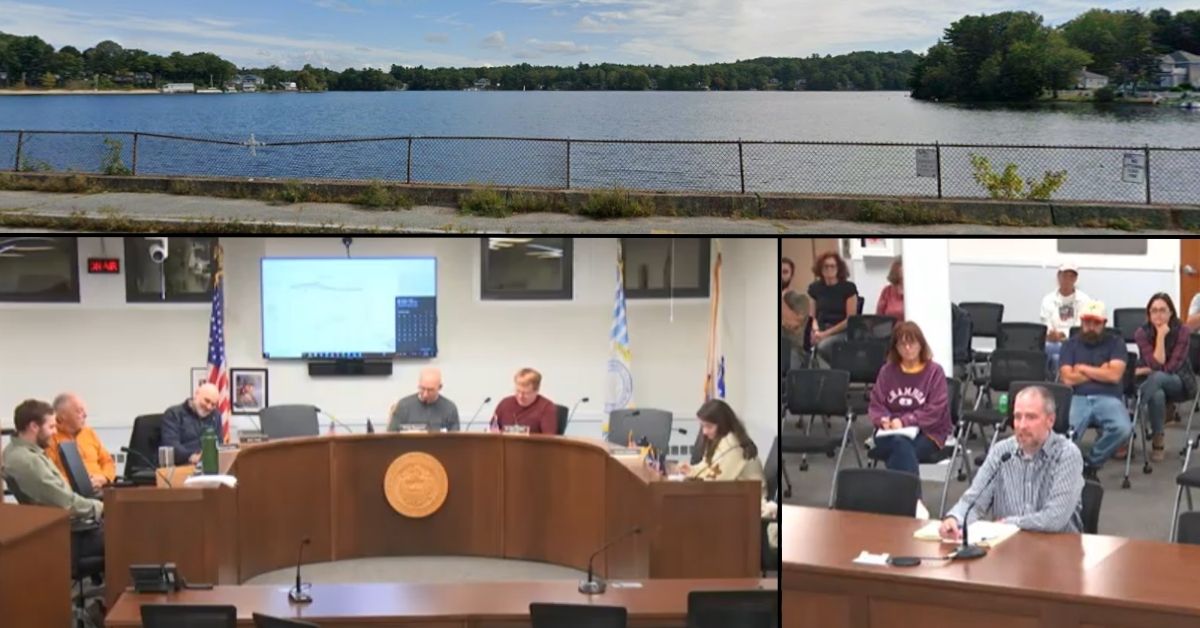
LEOMINSTER — Once celebrated as the “community’s playground,” Whalom Park entertained generations of Central Massachusetts families. Built in 1893 as a trolley park and famed for its iconic Flyer Comet wooden roller coaster, carousel, water slides, and picnic groves, it was the 13th‑oldest amusement park in the country when it closed in 2000 after 107 years of operation.
Now, Scott Lanciani is working to revive the park’s legacy through the New Whalom Cooperative, a community-owned initiative focused on preserving Whalom’s history and creating new opportunities for family fun in our computer-based postindustrial society.
The cooperative is hosting Whalom Weekend this summer from June 27–29 at Doyle Field on Priest Street in Leominster.
The cooperative’s long-term goal is to build a Museum Family Entertainment Center and eventually reestablish a permanent park, but in the meantime, Lanciani has been hosting pop-ups as he searches for a permanent home.
Below, Lanciani discusses the cooperative’s origins, mission, and vision.
Origins and Inspiration
Q. What inspired you to establish the New Whalom Cooperative, and how did the closure of the original Whalom Park influence this decision?
Whalom Park was the surrounding communities’ playground. We could go to the park multiple times throughout the season at a decent price. Some of us like me worked there and all the community fun just suddenly stopped Labor Day 2000. A 107 year legacy of fun and community just closed never to reopen and with no warning. Some family members of the park ownership tried to reopen it but it didn’t work out I participated in the picket on rt 13. Once the sale of the property went through a friend of mine said why not try and bring it back on another site. Whalom belongs to North Central Massachusetts not to one specific town. So, I reached out to other like-minded people from other smaller groups that wanted to preserve all things Whalom Park in someway, which ultimately became the New Whalom Cooperative.

The New Whalom Cooperative’s business model
Q. Can you share the story behind discovering the cooperative business model and
how it became the foundation for your organization?
The way the park closed abruptly and with no notification to the community is where “a community based” organization idea started. If we were going to bring the park back we wanted the community to have a say on how it comes back and operates. Also, we didn’t want all our hard work creating such a place to be sold again to a conglomerate or developed into housing. We started having bimonthly meetings to see what that could/should look like. At one of those meetings a woman looking into employment came and at the end it was stressed that we’re not like other organizations and she said I understand what you’re doing and said it was just like her cousins each owning a share of the ski mountain they ski on. That led me to the Mad River Glen Cooperative in Stowe, Vermont. After two years of researching their business model we restructured from the New Whalom Park Ownership Program to the New Whalom Cooperative.

Mission and Objectives
Q. What is the primary mission of the New Whalom Cooperative, and what are its short-term and long-term goals?
To preserve Whalom Park’s history through a Museum Family Entertainment Center (MFEC) a sampling of what Whalom was. A smaller attraction indoor and outdoor, rides, games food & beverage. Our short term goal is to expand our museum collection and host our Whalom Weekend now on its third year to showcase what Whalom was like and to generate interest within the community to bring a more permanent park back to the area.
Q. How does the cooperative aim to preserve the legacy of Whalom Park while adapting to contemporary community needs?
We will first bring our classic park attraction to light and we will expand outward from
there. Preserving Whalom Park but also looking to its future with what the community
wants and needs.
Community Engagement
Q. In what ways does the cooperative involve the local community in its initiatives and decision-making processes?
Whalom Park fans can become a member of our co-op along with our 20 current members with a voting right on board member elections and on what equipment and/or programs wanted or needed at the attraction.
Q. How can individuals become members or contribute to the cooperative’s efforts?
Anyone can become a member of the co-op by purchasing a one time member ownership share for $300.00 up front or by making payments and be able to have all
the above rights and privilege.

Events and Activities
Q. Could you tell us about recent events or activities organized by the cooperative,
such as the “Whalom Weekend” traveling museum?
We travel to local events throughout the North Central Massachusetts citys and towns
with our traveling table top museum, merchandise and Whalom’s original ring toss
game. We also host Whalom Weekend. A small carnival with crafters, and our pop-up
Whalom Park museum collection at Doyle Field Leominster MA.
Q. How do these events contribute to the cooperative’s mission and community
engagement?
These events inform, excite and generate much needed funding to acquire and restore
our museum collection items.
Challenges and Opportunities
Q. What are some of the significant challenges the cooperative has faced since its inception, and how have you addressed them?
2019 was our best year attending events and raising money. We were optimistic about 2020, but sadly the pandemic put a screeching halt to events and any public outings. We tried to pivot to a more digital offering but our budget and lack of logistics kept us from offering anything meaningful other than the occasional Facebook live. Though we lost all of our forward momentum we stayed true to our values and slowly came back to life when the world started to reopen again
Q. What opportunities do you see for the cooperative in the near future, especially concerning community development and heritage preservation?
Today, the co-op businesses model is more relevant with people working together to preserve what a community needs most at a lesser cost like family entertainment. Co-ops have a 70% survival rate compared to the 5% survival rate of a traditional business model.

Vision for the Future
Q. What is your vision for the future of the New Whalom Cooperative, and how do you plan to achieve it?
Our vision is to expand our member-ownership as much as we can to generate the capital needed to bring a New Whalom Park back to the area.
Q. Are there plans to establish a permanent site or facility to serve as a hub for the cooperative’s activities?
Yes, our goal is to bring Whalom Park back to the people. We’ve already taken the first step by launching a small museum, with plans to grow into a Museum Family Entertainment Center or a similar permanent attraction.
Personal Insights
Q. Reflecting on your journey with the cooperative, what has been the most rewarding experience for you personally?
The most rewarding experience is all the people I’ve met through our journey. People in the amusement park entertainment industry, People who donate their Whalom Park items, and all the stories of couples who met there wether working or just experiencing it and who’ve been together for 50 years and counting because of it.
Q. What advice would you give to others looking to start a community-based cooperative or similar initiative?
If there’s something that you believe needs to be done in your gut and no one seems to be taking care of it then start hosting meetings and reach out to like minded people. Make no mistake about it, the co-op businesses model is a lot of hard work, but is very much worth the effort.